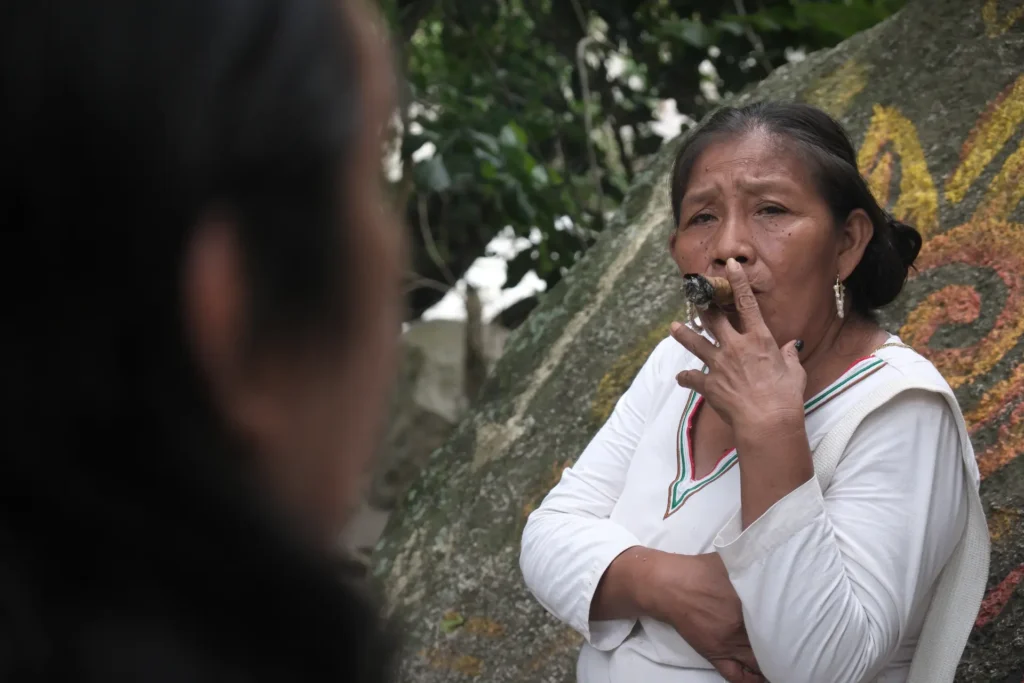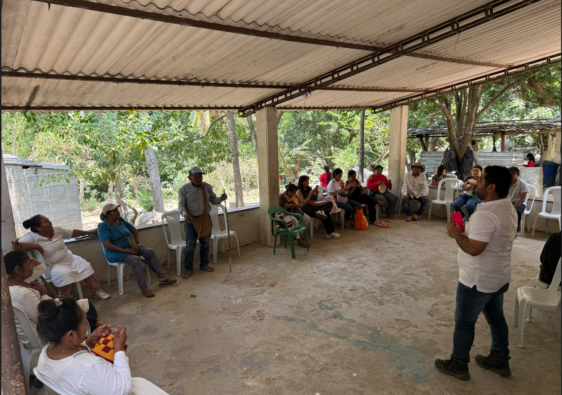

In 2025, our management focused on scaling conservation impact through a model that combined artificial intelligence, community leadership, territorial sovereignty, and environmental restoration. Bosque Colombiano Org strengthened its institutional role as a community-based conservation organization working alongside Indigenous and Afro-Colombian communities to protect biodiversity, expand access to technology, and improve ecosystem resilience across Andean and Amazonian territories. During the year, the organization executed 12 projects, linked 65,000 hectares to SINAP, reached more than 35,000 people, benefited over 1,800 families, and worked directly with 8 Indigenous communities.
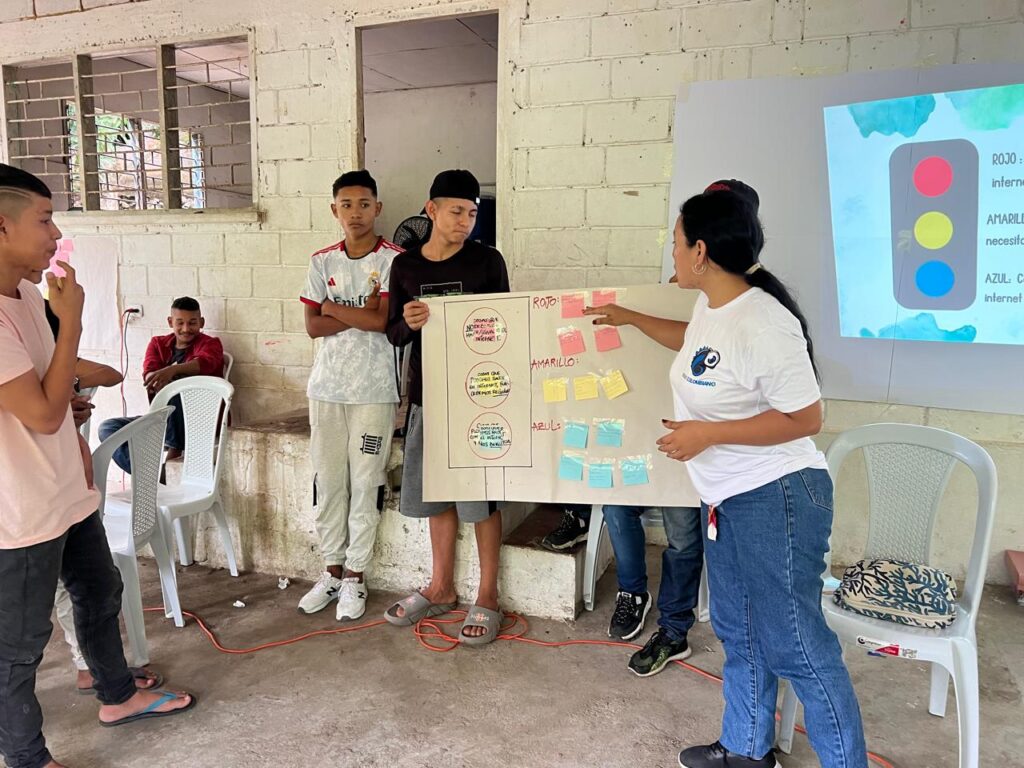
A major management achievement in 2025 was the consolidation of AI and STEM as strategic tools for conservation. The organization received the F5 STEM Education & AI Grant of USD 50,000, which supported the training of 300 Afro-Colombian women and girls in AI applied to biodiversity protection. Through workshops, mentoring, scholarships, an online training platform, and a hackathon, the program strengthened technical skills and promoted women of color as emerging conservation technologists. At the same time, SCANWILD, the organization’s AI-based wildlife trafficking detection platform, surpassed 10,000 community reports, confirming its relevance as one of the most active community wildlife crime reporting systems in Colombia.
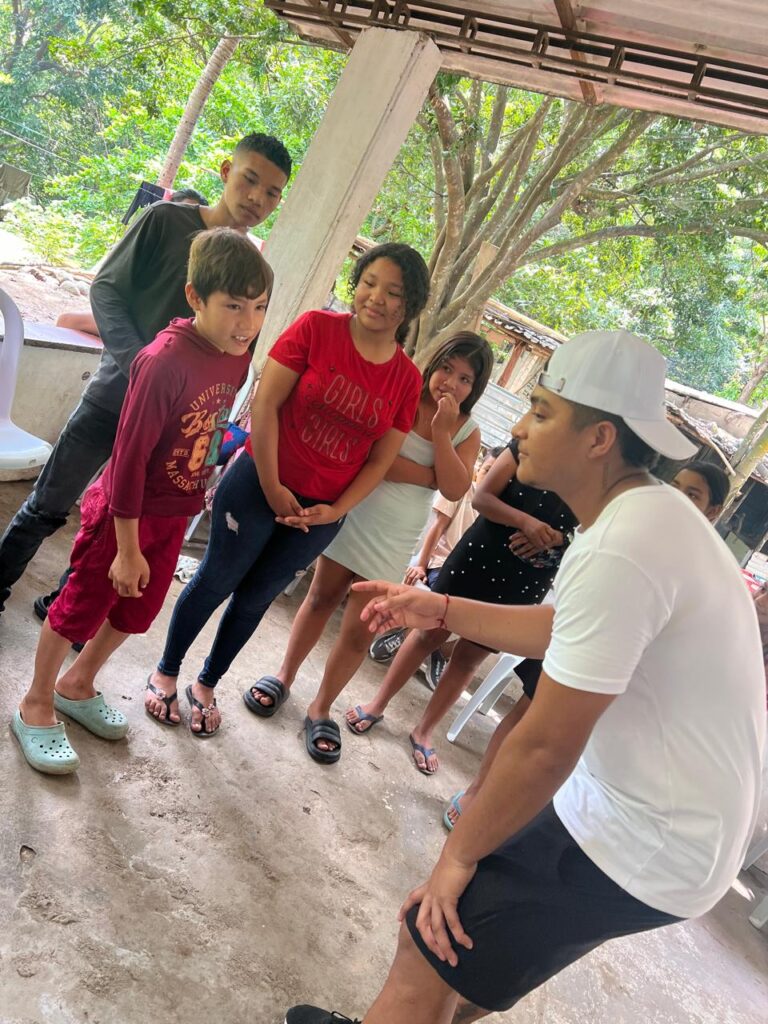
Management in 2025 also prioritized education, connectivity, and community wellbeing. The Heroes of Tomorrow Indigenous Child Development Center expanded its services to 200 Ette-Ennaka children, integrating bilingual intercultural education, STEM learning, AI literacy, nutritional support, and psychosocial care. In parallel, the Starlink digital inclusion strategy expanded to 8 Indigenous territories, enabling real-time biodiversity monitoring, telemedicine services, distance education, and digital literacy training for community members in remote areas.
Another central area of work was climate and water management. The Climatically Integrated Water Management Program provided solar-powered clean water solutions to 450 Ette-Ennaka and Ticuna families, strengthened local water governance, restored watershed zones, and supported reforestation with 25,000 native trees. These efforts contributed not only to ecosystem recovery but also to lower downstream water treatment costs and stronger territorial resilience in the face of climate change.
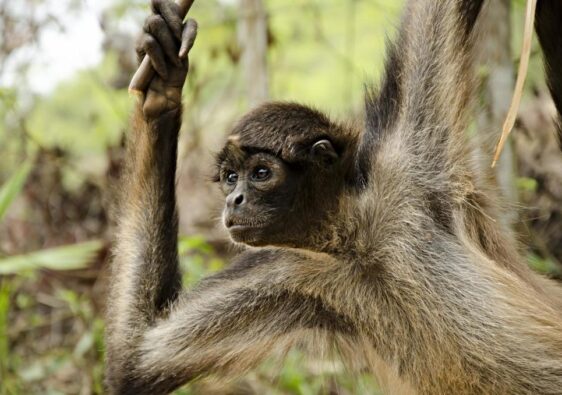
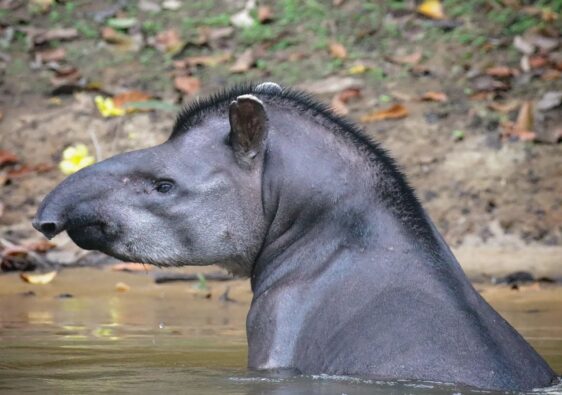
From a biodiversity management perspective, the organization continued science-based conservation actions for six endangered or critically endangered species, combining habitat protection, AI-supported surveillance, telemetry, camera trapping, community patrols, and population monitoring. Species supported in 2025 included the Black and Chestnut Eagle, Mountain Tapir, Hawksbill Turtle, Giant Otter, White-Headed Tamarin, and Antillean Manatee.
A defining management result in 2025 was the strong integration of gender equity into all strategic programs. Women were not treated only as beneficiaries, but as leaders, educators, forest rangers, water managers, and AI conservationists. This approach reinforced the organization’s long-term vision of Indigenous peoples and women of color as central actors in environmental governance, scientific innovation, and climate justice. The year closed with strong partnerships with international foundations, academic institutions, government entities, and Indigenous authorities, as well as a clear outlook for 2026 focused on expanding AI for conservation, connectivity, water resilience, and species protection.