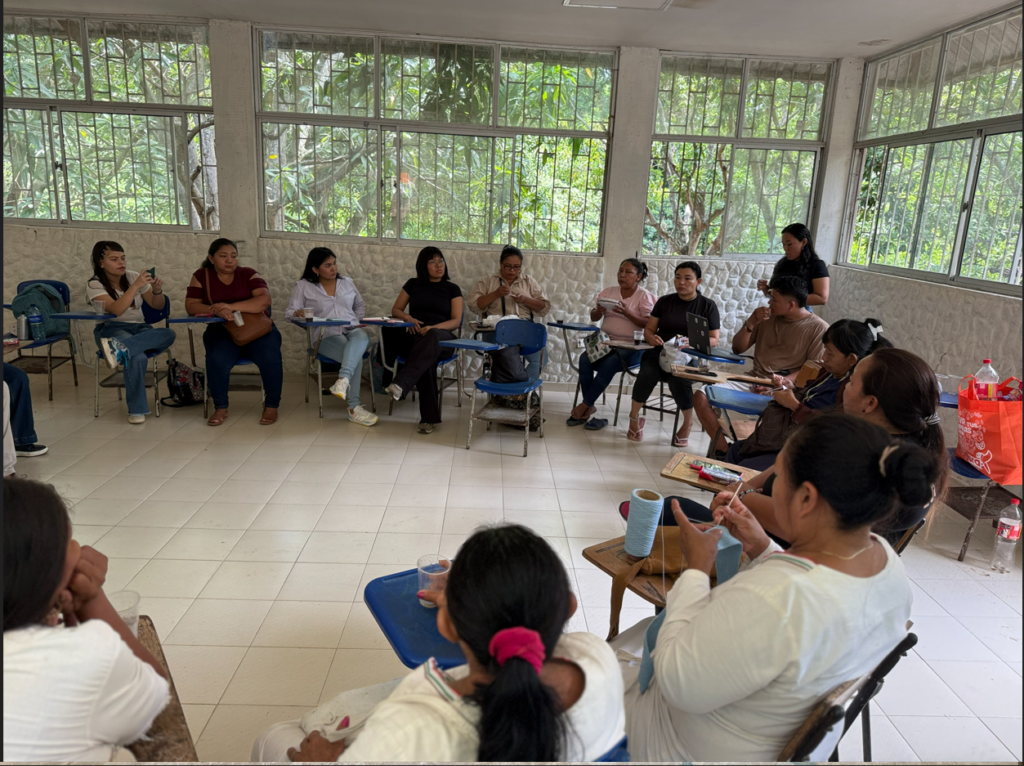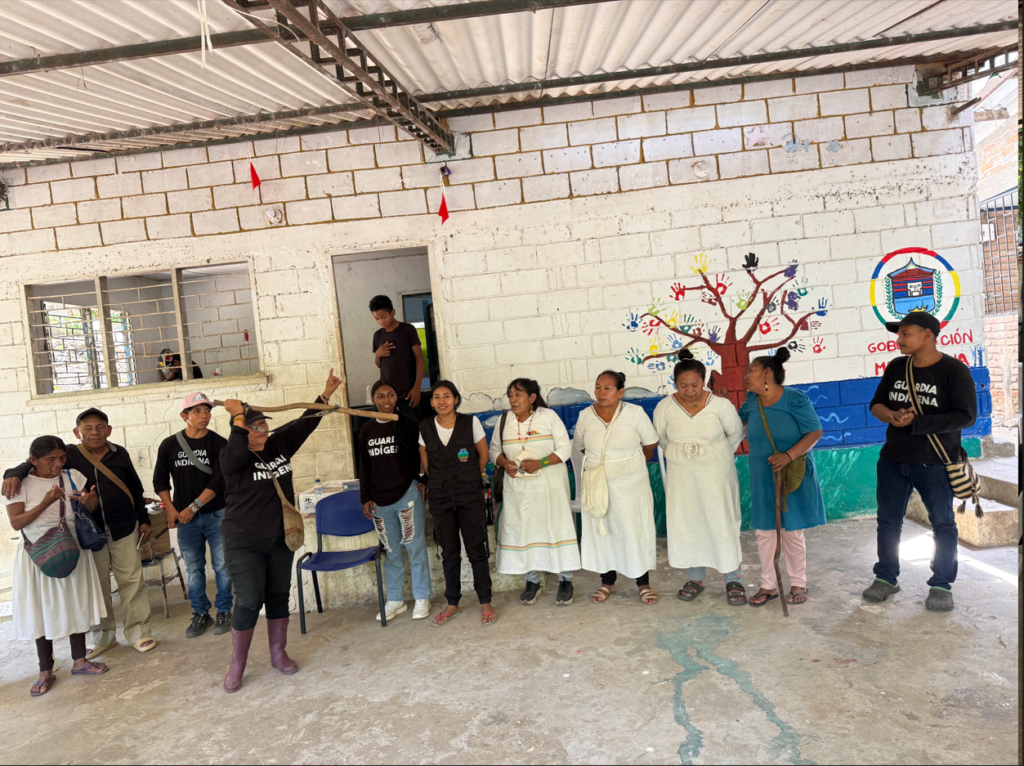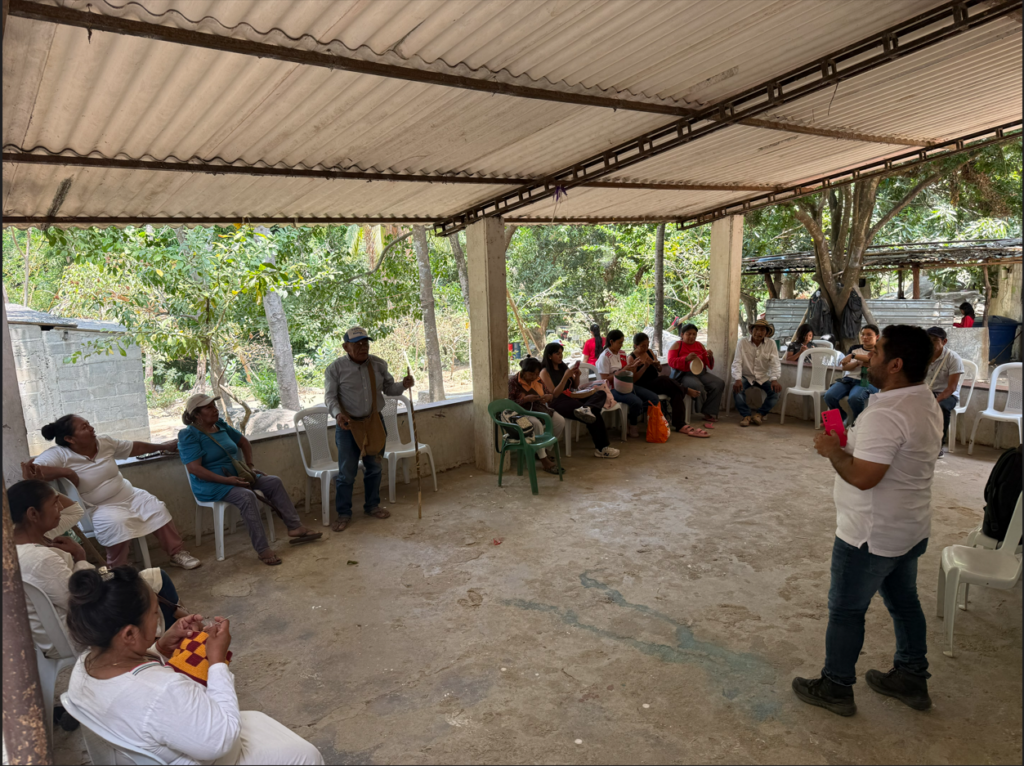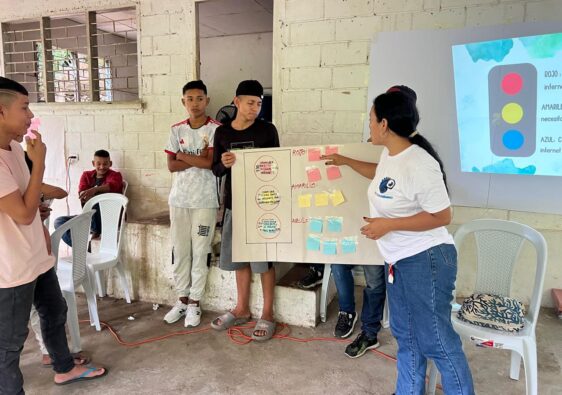

In 2024, our management focused on territorial transformation, ecosystem protection, and community-centered conservation across Colombia’s Andean and Amazonian regions. Bosque Colombiano Org strengthened its institutional presence by implementing 10 projects, linking 15,000 additional hectares to SINAP, reaching more than 25,000 people, benefiting over 1,300 families, and working directly with 6 Indigenous communities. As highlighted on page 2 of the report, the year was defined by the conviction that conservation must be inseparable from community wellbeing, water security, food systems, and territorial sovereignty.
A central achievement in 2024 was the consolidation of five strategic programs. The Heroes of Tomorrow Indigenous Child Development Center continued serving as a culturally grounded educational space for more than 150 children in the Sierra Nevada de Santa Marta, with support from 8 Indigenous women educators and 42 cultural workshops. At the same time, the Starlink digital inclusion initiative connected 5 Indigenous community centers, trained 60 community members in digital tools and cybersecurity, and expanded access to telemedicine, distance education, and biodiversity monitoring, as shown on page 3.
Water, food security, and sustainable livelihoods were also major pillars of management in 2024. According to page 4, the Climatically Integrated Water Management Program expanded in the Sierra Nevada and Amazon Basin, supplying 15,000 liters of clean water per day to more than 300 Ette-Ennaka families through a solar-powered system and strengthened watershed restoration actions. In parallel, the Hydroponic Crops Program improved food security for 500 families in 10 Indigenous communities, increased food production capacity by 60%, and contributed to reducing deforestation. The Coffee Tourism + IoT initiative also created new sustainable income opportunities for more than 300 Ette-Ennaka families by combining technology, traceability, and cultural tourism.
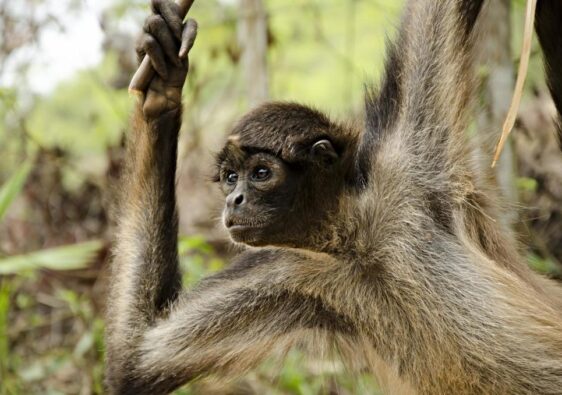
Institutionally, 2024 also marked strong progress in gender-responsive and climate-oriented management. As summarized on page 5, women played a leading role across programs, including environmental education, water governance, habitat monitoring, ranger training, and green enterprises. The organization also reinforced its climate action strategy through forest restoration, carbon-related research, and inter-institutional technical alliances. Consolidated impact figures showed 55,000 hectares linked to SINAP, 120,000 native trees planted, 17 active ecological easements, 13 Reciprocal Water Agreements, monitoring of 6 endangered species, and a 95% reduction in poaching in protected areas.
Overall, 2024 was a year in which Bosque Colombiano Org strengthened its identity as a conservation organization that integrates science, ancestral knowledge, appropriate technology, and community leadership. The report’s closing section on pages 5 and 6 shows that this management model also helped build strategic partnerships with international foundations, academic institutions, government actors, and Indigenous authorities, while laying the groundwork for a broader 2025 agenda focused on scaling protected areas, connectivity, water systems, species conservation, and women’s leadership.